Study Examines Mango Consumption Effects on Heart Health Markers in Postmenopausal Women
03/29/2026 / By Coco Somers
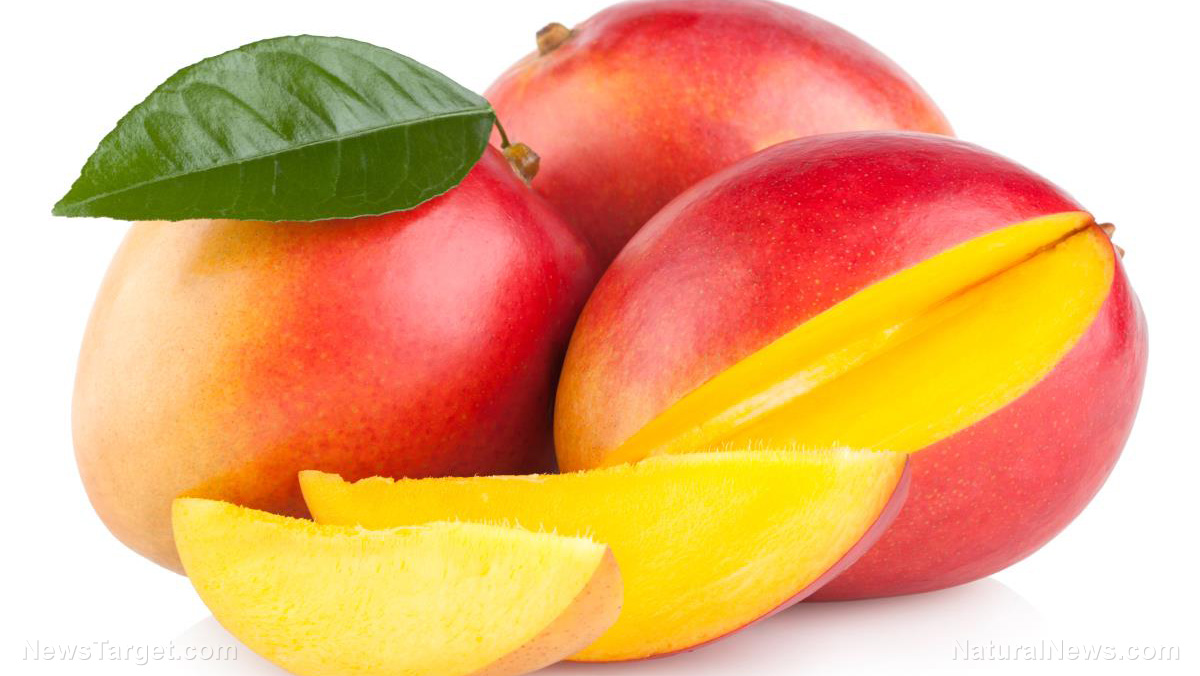
Mango Consumption Linked to Improved Heart Health in Postmenopausal Women
A recent trial has found that short-term mango consumption is linked to improved markers of heart health in postmenopausal women, according to a study published in the Journal of the American Nutrition Association.
The research indicates that eating about 1.5 cups of mango daily for two weeks resulted in significant reductions in systolic blood pressure and low-density lipoprotein cholesterol (LDL cholesterol) levels.
Postmenopause brings physiological changes, including a decline in estrogen, a hormone that plays a key role in protecting the cardiovascular system. This study was conducted to investigate whether a simple dietary intervention could positively impact cardiometabolic health in this population, which faces increased cardiovascular risk.
Study Finds Short-Term Mango Consumption Linked to Improved Heart Health Markers
Researchers recruited 24 postmenopausal women, aged 50 to 70, who had overweight or obesity classifications, for a two-week dietary intervention. Participants consumed approximately 1.5 cups of mango daily.
Measurements of blood pressure, cholesterol, and other metabolic markers were taken before and after the intervention period. [1]
The results, published in 2025, showed fast-acting benefits. Systolic blood pressure dropped by about 6 mmHg, and LDL cholesterol decreased by 13 points, with a similar reduction in total cholesterol. The study’s authors noted these changes were significant, especially given the short timeline of the trial. [2]
Research Methodology and Participant Demographics
The trial focused on a specific demographic: women aged 50-70 who were postmenopausal and classified as overweight or obese. This group was selected due to its heightened vulnerability to cardiovascular issues following the decline in protective estrogen.
The study design included comprehensive baseline and post-intervention measurements. [1]
In a secondary component of the research, a “test meal” study was conducted. Six women consumed mango on one visit and a calorically equivalent serving of white bread on another. This was done to compare the glycemic and insulin responses between a whole fruit and a processed carbohydrate source. [2]
Reported Cardiovascular and Metabolic Findings
Specific data from the trial showed systolic blood pressure decreased by approximately 6 mmHg just two hours after mango consumption. Mean arterial pressure also declined significantly.
Regarding lipids, LDL cholesterol dropped 13 points, with a similar decline observed in total cholesterol levels. [1]
The test meal comparison revealed that while both mango and white bread raised blood sugar, the mango caused a significantly smaller spike and a quicker return to baseline. Insulin levels followed a similar pattern. This suggests mango’s natural carbohydrates have a less disruptive metabolic impact compared to refined grains. [2]
Nutritional Composition and Proposed Mechanisms
Researchers cited mango’s dense nutritional profile as a likely contributor to the observed effects. The fruit is rich in fiber, vitamin C, and polyphenols. [3] These bioactive compounds have been linked to improved vascular function and healthier lipid metabolism in scientific literature. [4]
The study authors pointed to mango’s unique antioxidant and anti-inflammatory properties as particularly beneficial for supporting vascular health. They proposed that the fruit’s fiber and phytochemicals may slow glucose absorption, which aligns with the slower blood sugar rise observed in the test meal study. [2]
Context and Study Limitations
The research is situated within the context of increased cardiovascular risk for postmenopausal women due to estrogen decline. While the findings are promising, the researchers themselves noted the trial’s limitations, including its small sample size of 24 participants and its short two-week duration. [1]
In the published report, the authors called for more extensive research to confirm these preliminary findings. They emphasized that while nutrient-dense fruits can play a meaningful role in supporting health, larger and longer-term studies are necessary. [5]
Conclusion: Nutrient-dense Fruits Can Help Support Cardiometabolic Health
The study adds to a growing body of evidence highlighting the role of whole, nutrient-dense fruits in supporting cardiometabolic health, particularly during life stages associated with increased risk. The fast-acting improvements in blood pressure and cholesterol markers suggest mango consumption could be a simple dietary strategy for postmenopausal women.
As with any single-food study, the results are not presented as a cure-all but as a promising piece of the dietary puzzle.
The researchers’ call for further investigation underscores the ongoing need for rigorous, independent nutrition science that explores natural, food-based approaches to health maintenance.
References
- Could Mangoes Be A Heart-Healthy Snack For Postmenopausal Women. – mindbodygreen.com. Ava Durgin. March 22, 2026.
- The Mango Paradox: How a Sweet Fruit Could Defuse a National Health Crisis. – NaturalNews.com. Ava Grace. October 5, 2025.
- The health benefits of mango: A sweet and nutrient-packed superfruit. – NaturalNews.com. Zoey Sky. February 15, 2025.
- Diet. – Javad Sharifi-Rad, Celia F Rodrigues, Farukh Sharopov, Anca Oana Docea, Asl Can Karaca, Mehdi Sharifi-Rad, Derya Kahveci Karncaoglu, Gozde.
- New Study: Daily Mango Intake May Support Postmenopausal Heart and Metabolic Health. – mango.org.
Submit a correction >>
Tagged Under:
antioxidants, balanced diet, cardiovascular health, Fresh, fruits, glucose, heart disease, heart health, longevity, Mangoes, phytochemicals, polyphenols, postmenopausal, postmenopause, prevention, proper nutrition, research, reverse heart disease, vitamin C, Whole Foods, women's health
This article may contain statements that reflect the opinion of the author
RECENT NEWS & ARTICLES